
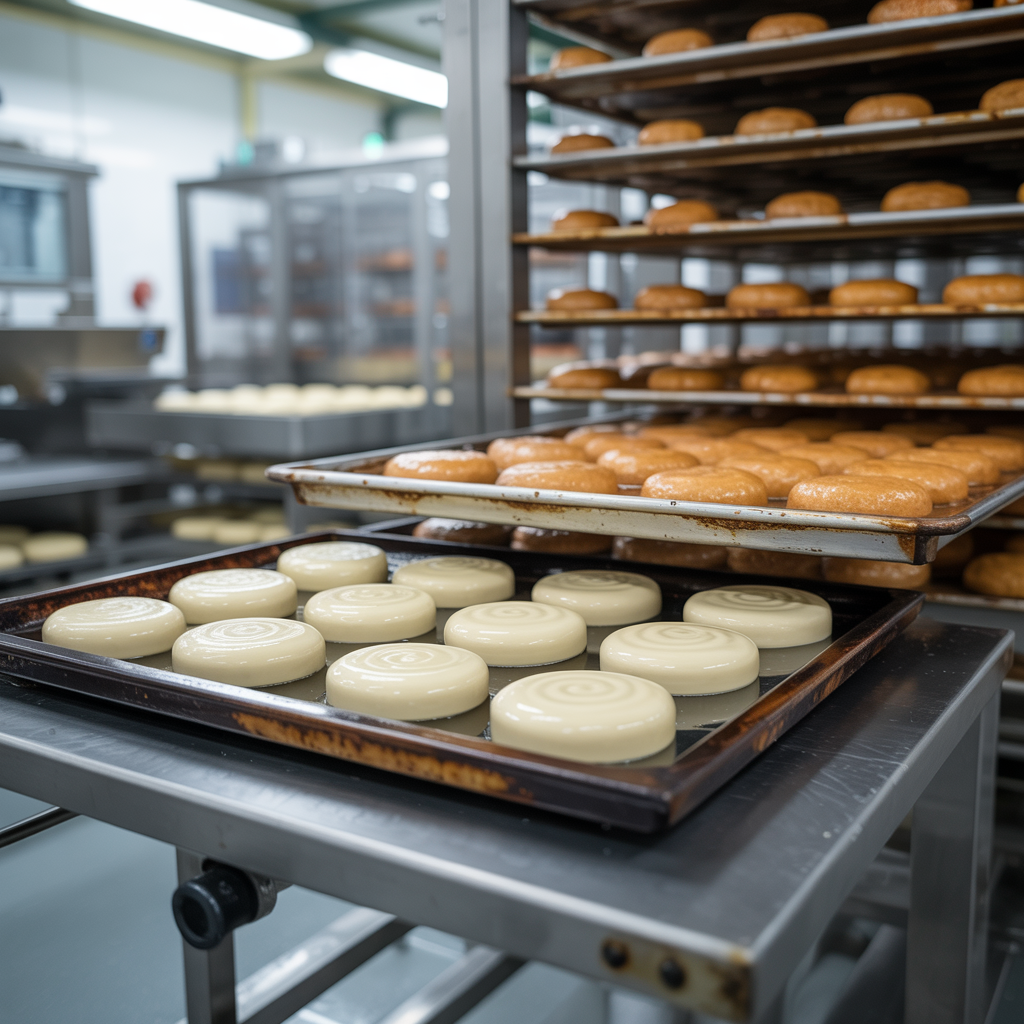
Release coatings for food packaging and processing applications

Ever struggled with food sticking to packaging or processing equipment? You’re not alone. Food manufacturers lose millions annually to product waste, equipment damage, and production delays—all because things get stuck where they shouldn’t.
Release coatings are the unsung heroes of food production. They prevent sticking, reduce waste, and keep your operations running smoothly. Whether you’re wrestling with sticky dough, tackling caramel nightmares, or just trying to get that last bit of yogurt out of the container, there’s a release coating solution designed for your specific challenge.
But here’s what most coating providers won’t tell you upfront: not all release agents are created equal, and choosing the wrong one could cost you more than just efficiency.
Understanding Release Coatings in Food Applications

What are release coatings and why they matter
Ever tried peeling plastic wrap off a sticky caramel? Frustrating, right? That’s where release coatings come in. These specialized surface treatments are the unsung heroes of food packaging and processing, creating that crucial non-stick barrier between your food and its container.
Think of release coatings as the ultimate middlemen. They prevent everything from bread dough to chocolate bars from becoming permanently attached to packaging, equipment, or molds. Without them, your muffin would stay in the tin, your candy bar would stick to the wrapper, and industrial food processing would grind to a halt.
The magic happens at the molecular level where these coatings create low-energy surfaces that food simply doesn’t want to stick to. Whether they’re silicone-based, fluoropolymer, or newer bio-based alternatives, they all share one crucial job: letting go when it matters.
Key performance requirements for food contact
Food release coatings aren’t just about the non-stick factor. They’re workhorses that need to check multiple boxes:
-
Temperature resistance: From freezer to oven (think -40°F to 500°F+)
-
Chemical stability: Must stand up to acids, oils, and cleaning agents
-
Abrasion resistance: Withstand repeated use without wearing off
-
Release efficiency: Consistent performance batch after batch
The best coatings maintain their properties throughout multiple processing cycles. They can’t transfer to food, alter taste, or break down under heat or pressure. And increasingly, they need to be sustainable and environmentally responsible.
Regulatory considerations and food safety compliance
The food industry doesn’t mess around with safety, and neither do regulators. Release coatings face intense scrutiny:
FDA regulations (21 CFR) spell out exactly which materials can touch your food. European authorities enforce similar rules through Regulation (EC) No 1935/2004. Both establish strict migration limits – how much of a coating can potentially transfer to food.
Compliance isn’t optional. Manufacturers must:
-
Document every raw material
-
Test for migration under worst-case conditions
-
Provide compliance declarations
-
Meet global standards like ISO 22000
Recent concerns about PFAS (per- and polyfluoroalkyl substances) have pushed the industry toward alternatives like silicone-based systems and bio-derived coatings. These newer options deliver the same performance while meeting stricter environmental and health standards.
The stakes are high. A non-compliant coating can lead to recalls, reputation damage, and serious health concerns. That’s why leading companies invest heavily in testing and certification.
Types of Release Coatings for Food Packaging

Silicone-based solutions and their benefits
Ever seen how easily food slides off a baking tray? That’s silicone-based release coatings at work. These coatings create an exceptional non-stick surface that food simply won’t cling to.
The magic of silicone lies in its remarkable thermal stability. It handles temperatures from freezing to 500°F without breaking down or transferring to food. This makes it perfect for everything from frozen pizza packaging to hot bakery applications.
Another huge plus? Durability. Silicone coatings outlast most alternatives, making them cost-effective for food manufacturers who need reliable performance over thousands of production cycles.
They’re also incredibly versatile – you’ll find them on baking papers, release liners, conveyor belts, and food processing equipment. Most importantly, silicone formulations comply with FDA and European food contact regulations.
Non-stick fluoropolymer coatings
Fluoropolymer coatings (think Teflon-like materials) are the heavy hitters of the food release world. These powerhouses create an almost frictionless surface that prevents even the stickiest foods from adhering.
What sets them apart is their chemical resistance. They shrug off oils, acids, and other food components that would degrade lesser coatings. This makes them ideal for acidic foods or high-fat applications where other coatings might fail.
The slick surface doesn’t just prevent sticking – it makes cleaning a breeze. Food processing facilities save significant time and resources on cleanup, boosting operational efficiency.
While traditionally more expensive than other options, their exceptional longevity makes them economically sound for high-volume production environments.
Natural and bio-based alternatives
The food industry is increasingly turning to plant-based alternatives that offer effective release properties without synthetic chemicals.
Carnauba wax, derived from palm leaves, creates a natural barrier that food simply doesn’t stick to. Vegetable oils modified for stability and performance are making waves in bakery applications.
These bio-based options address growing consumer demand for “cleaner” food packaging. They’re biodegradable, renewable, and often carry certifications that conventional coatings can’t match.
The performance gap between natural and synthetic options is narrowing. Recent innovations have yielded plant-based formulations that rival traditional coatings in release properties while offering superior sustainability credentials.
Water-based vs. solvent-based formulations
Water-based release coatings have revolutionized the industry. They drastically reduce VOC emissions compared to solvent-based alternatives, making them the environmentally responsible choice.
They’re safer to work with too. Production facilities using water-based formulations eliminate exposure risks associated with organic solvents, creating healthier work environments.
| Water-Based | Solvent-Based |
|---|---|
| Lower VOCs | Higher VOCs |
| Safer handling | Requires ventilation |
| Easier cleanup | Needs special disposal |
| Sometimes less durable | Often more durable |
| Lower odor | Can have strong odors |
Solvent-based options still dominate certain applications where ultimate performance is non-negotiable. They typically cure faster and form more uniform films in challenging conditions.
The choice often comes down to specific performance requirements, regulatory compliance needs, and sustainability goals. Many manufacturers now offer hybrid systems that balance the benefits of both approaches.
Applications in Food Processing Equipment

Bakery and confectionery production surfaces
Ever tried scraping hardened caramel off a production line? Not fun. That’s why release coatings are game-changers in bakery operations. Modern PTFE and silicone-based coatings on baking pans, conveyor belts, and moulds prevent dough and sugar mixtures from becoming permanent fixtures on equipment.
The best part? These coatings actually improve product quality. When bread slides effortlessly from pans, you get intact crusts and consistent browning. For confectionery makers dealing with sticky fondants and toffees, the right coating means less product waste and cleaner cuts.
Meat and dairy processing equipment
Protein residue is the nemesis of meat processing equipment. Without proper release coatings, meat particles stick to slicers, grinders, and forming machines, creating sanitation nightmares.
In dairy production, milk proteins and fats love clinging to pasteurization plates and cheese moulds. Food-grade fluoropolymer coatings prevent this buildup while meeting stringent regulatory requirements.
A dairy plant manager once told me they cut cleaning time by 40% after upgrading to advanced release coatings on their cheese forms. That’s real-world impact.
Release properties for sticky food products
Honey, syrups, molasses – these products are packaging nightmares without proper release technology.
The trick with sticky foods isn’t just preventing adhesion. It’s maintaining it across temperature variations. When maple syrup hits a cold surface, it behaves differently than at bottling temperature.
Modern release coatings use micro-textured surfaces that create tiny air pockets between the sticky food and the contact surface. This reduces the actual contact area and makes release possible without chemical additives.
Heat resistance and durability in industrial settings
Industrial food processing throws serious challenges at coatings:
-
Temperature cycling from freezing to 400°F
-
Abrasion from cleaning tools
-
Chemical exposure from sanitizers
-
Mechanical stress from automated systems
Ceramic-reinforced fluoropolymers now dominate high-heat applications. They withstand 2,000+ production cycles before showing wear – a massive improvement over earlier coatings that degraded after a few hundred cycles.
Durability isn’t just about longevity. It’s about maintaining release properties consistently throughout the coating’s life. The latest generations achieve this with multi-layer systems where each layer serves a specific function.
Maintenance and cleaning considerations
The cleaning protocol makes or breaks your release coating investment. Harsh wire brushes and abrasive cleaners? Kiss your non-stick surface goodbye.
Smart processors implement tiered cleaning approaches:
-
Daily: mild detergent cleaning
-
Weekly: deep cleaning with approved agents
-
Monthly: inspection for coating integrity
-
Quarterly: professional reapplication where needed
Training staff properly on coating care pays massive dividends. One bakery reduced their recoating costs by 70% simply by switching from metal to silicone spatulas for product removal.
Remember, the cheapest cleaning option often costs more in the long run through damaged coatings and increased product loss. Investing in coating-compatible cleaning tools and chemicals preserves your equipment’s release properties and extends service life.
Packaging Solutions with Release Properties

Films and flexible packaging applications
Ever wondered why your frozen burrito doesn’t stick to its wrapper? That’s release coatings at work!
Today’s food manufacturers need packaging that doesn’t just contain food—it needs to release it cleanly too. Film packaging with non-stick properties has become essential for products like cheese slices, deli meats, and sticky confections.
The magic happens with microscopically thin coatings applied to polyethylene, polypropylene, or PET films. These coatings create a barrier between the food and packaging without affecting taste or safety.
What’s cool is how specialized these films have become:
-
Cheese packaging with anti-blocking properties
-
Meat film that prevents protein adhesion
-
Candy wrappers that don’t steal half your treat
The best part? Many newer options are moving away from fluorinated compounds toward plant-based alternatives that still deliver that perfect release.
Molded containers and trays
The microwavable meal you heated last night likely came in a tray with release properties. These aren’t your grandma’s Tupperware!
Modern food trays and containers incorporate release agents directly into the polymer during manufacturing or as post-production coatings. This integration creates surfaces that:
-
Prevent sticky foods from clinging
-
Make cleaning easier for reusable containers
-
Ensure complete product emptying (nobody wants to waste that last bit of yogurt!)
Take ready-meal trays, for example. They’re designed with non-stick properties that withstand freezing, microwaving, and even conventional oven heating without the food becoming one with the container.
Paper and paperboard treatments
Paper packaging has made a massive comeback thanks to sustainability concerns. But paper’s natural tendency to absorb moisture and stick to food presented challenges—until release coatings entered the picture.
Modern paper food packaging uses specialized treatments that:
-
Create grease resistance for bakery items
-
Prevent ice cream from soaking through cones and wrappers
-
Allow frozen foods to release cleanly from cartons
Many brands now use silicone-based or bio-based coatings instead of traditional wax. These treatments maintain the recyclability of the paper while providing excellent release properties.
Specialized coatings for frozen food packaging
Frozen foods present unique packaging challenges. When moisture freezes, it creates powerful adhesion between food and packaging. That’s why specialized release coatings for frozen applications are a game-changer.
These coatings work differently from room-temperature applications. They need to:
-
Maintain flexibility at sub-zero temperatures
-
Prevent ice crystal adhesion
-
Work properly during the thaw process
-
Withstand temperature cycling
The newest generation of frozen food packaging incorporates nano-structured coatings that create microscopic air pockets between the food and packaging surface. This technology prevents freezer burn while ensuring the lasagna doesn’t take half the container with it when served.
Environmental and Sustainability Aspects

A. Recyclability challenges with coated materials
The food packaging industry faces a major headache when it comes to recycling coated materials. Most release coatings contain fluoropolymers or silicones that contaminate recycling streams. When these materials enter standard recycling facilities, they can ruin entire batches of recyclable materials.
The problem? These coatings don’t break down during typical recycling processes. A package might be made of perfectly recyclable paperboard, but add that thin layer of non-stick coating and suddenly it’s heading straight to landfill.
Many food manufacturers are stuck between a rock and a hard place – they need the functional benefits of release coatings but can’t ignore the environmental impact. Some companies are exploring mechanical separation techniques, but these add cost and complexity to recycling operations.
B. Biodegradable coating innovations
The good news? Serious innovation is happening in biodegradable release coatings. Plant-based waxes and modified cellulose derivatives are leading the charge as alternatives to traditional silicone and fluoropolymer coatings.
One breakthrough comes from corn and potato starch derivatives that create effective moisture barriers while maintaining good release properties. Another promising approach uses chitosan (derived from shellfish waste) combined with plant oils to create food-safe release surfaces.
These bio-based alternatives break down naturally in composting environments – some within just 90 days under industrial composting conditions. They’re not perfect replacements for all applications yet, but they’re getting closer every year.
C. Reducing food waste through effective release properties
Food waste is a massive environmental problem, and release coatings play a surprisingly important role in addressing it.
When food sticks to packaging, consumers throw away what they can’t remove. It’s not just annoying – it’s wasteful. Effective release coatings ensure that consumers get every last bit of the product they paid for.
In food processing, the same principle applies on an industrial scale. When products stick to equipment surfaces, that’s product lost and additional cleaning resources consumed. Modern release coatings allow for complete product removal and faster changeovers between production runs.
By some estimates, optimized release properties can reduce food waste by up to 7% across the supply chain. That’s a significant environmental win when you consider the resources that went into producing that food in the first place.
Smart packaging designers are now balancing optimal release properties with environmental considerations, recognizing that sustainability isn’t just about the packaging itself but about the entire system.
Selecting the Right Release Coating

Assessing your specific food product requirements
Choosing the right release coating isn’t a one-size-fits-all decision. The food you’re working with makes all the difference.
Sticky, sugary products like caramel or honey need heavy-duty release properties. Acidic foods? They’ll break down some coatings over time.
Ask yourself:
-
What temperature will the coating face? (Baking at 450°F or refrigeration at 35°F?)
-
How long will food contact the surface?
-
Are you dealing with high fat, high sugar, or acidic ingredients?
-
Will the coating need to withstand cleaning chemicals?
The answers determine whether you need silicone-based, fluoropolymer, or another coating type entirely.
Cost-benefit analysis of different coating types
Money matters, but cheapest rarely means best value. Here’s the real deal on coating economics:
| Coating Type | Initial Cost | Lifespan | Best For |
|---|---|---|---|
| Silicone | $$ | Medium | Bakery, confectionery |
| Fluoropolymer | $$$ | Long | High-temperature, acidic foods |
| Ceramic | $$$$ | Very long | Heavy-duty processing |
| Natural waxes | $ | Short | Light-duty, sustainable applications |
Think beyond purchase price. A premium coating that lasts three times longer might save you thousands in reapplication costs and production downtime.
Testing protocols for performance verification
Never take a supplier’s word at face value. Test before you invest.
Start with small-scale trials using your actual food products under real production conditions. Monitor:
-
Release efficiency (does product stick?)
-
Durability (how many cycles before failure?)
-
Cleaning requirements
-
Impact on food quality and taste
Document everything with photos and consistent scoring methods. Repeat tests at least three times for reliable data.
For critical applications, consider third-party lab testing for chemical migration and compliance with food safety regulations.
Working with coating suppliers effectively
The right supplier relationship can make or break your coating success.
Good suppliers ask questions about your process before recommending solutions. They’re partners, not just vendors.
What to look for:
-
Experience with your specific food category
-
Willingness to provide samples for testing
-
Technical support beyond the initial sale
-
Transparency about coating limitations
-
Documentation for food safety compliance
Don’t hesitate to ask for customer references in your industry. And always get specifications in writing, including expected lifespan under your operating conditions.
Remember that the cheapest quote often leads to expensive headaches down the road.

Finding Your Perfect Food-Safe Release Coating
The world of release coatings for food applications offers diverse solutions for both packaging and processing equipment. From silicone-based coatings and fluoropolymers to wax emulsions and natural alternatives, manufacturers have multiple options to prevent food sticking while maintaining safety standards. Whether you’re looking for coatings for baking equipment, conveyors, or packaging materials, the right solution can enhance production efficiency while ensuring food safety.
When selecting a release coating, consider your specific application requirements, regulatory compliance needs, and sustainability goals. The ideal coating balances performance characteristics with environmental responsibility. As the industry continues to innovate, we’re seeing more eco-friendly options emerge that maintain excellent release properties while reducing environmental impact. Partner with coating specialists who understand food-grade requirements to find the perfect solution for your unique food packaging and processing challenges.
about
Geezion factory
Release coating, Industrial Chemical, Industial Coating, Printing Inks
