
The Ultimate Guide to Release Coating Paper: A Beginner’s Journey
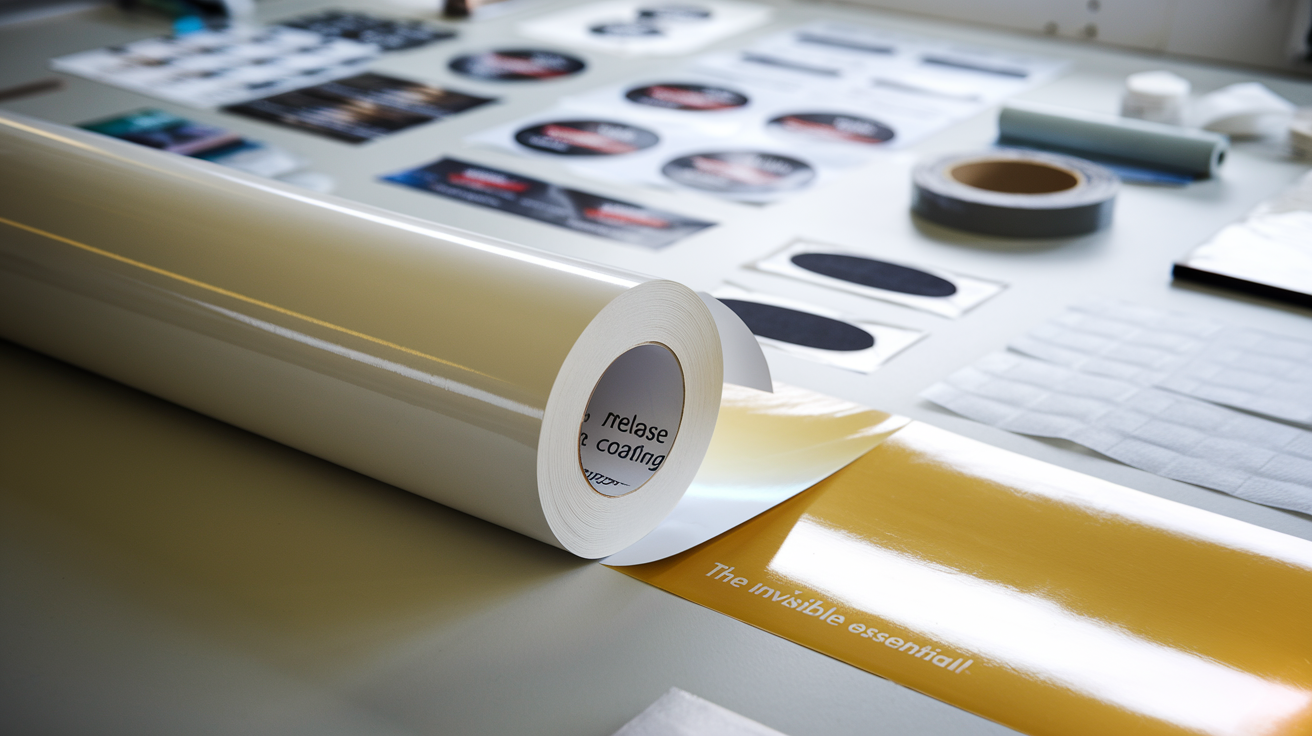
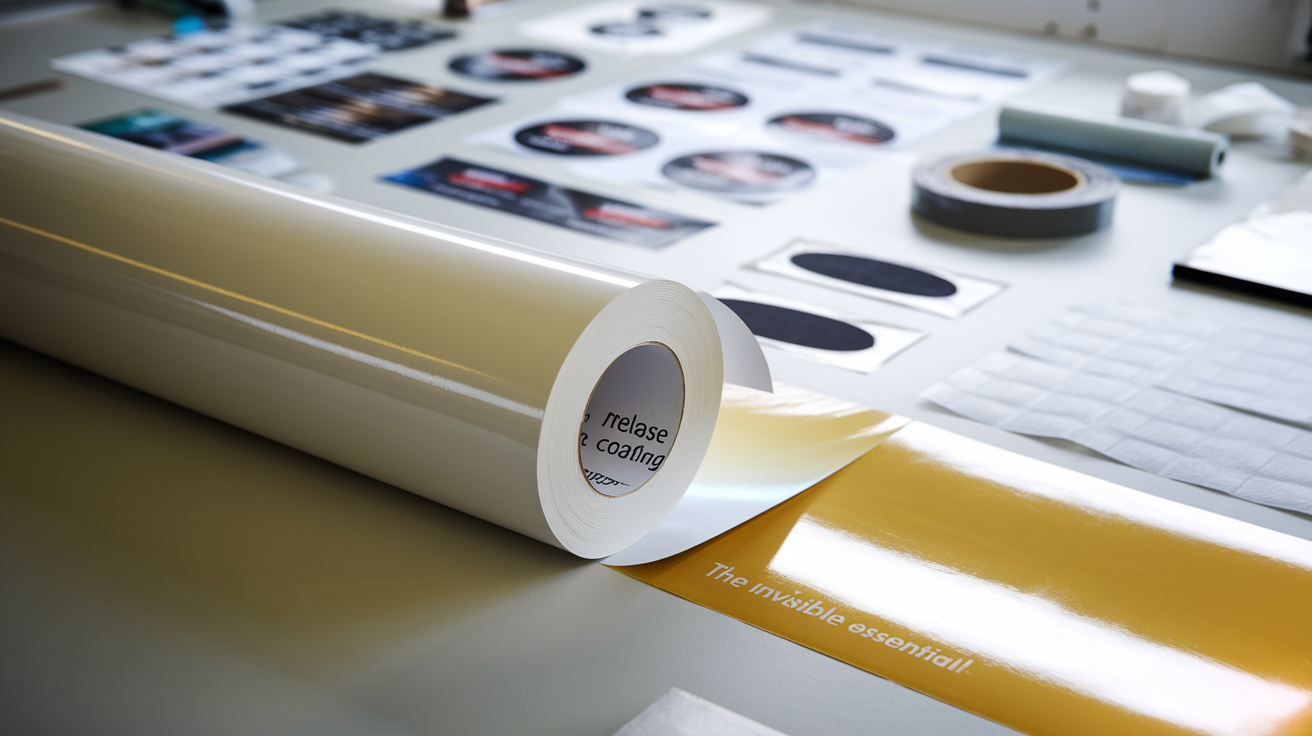
Ever grabbed a sticker and wondered why it peels off so easily? The secret behind that magic is release coating paper – and it’s hiding in more places than you think.
Whether you’re a product designer, packaging specialist, or just plain curious, understanding release coating basics can save you headaches (and money) down the road.
Release coating paper creates that non-stick surface that’s essential for pressure-sensitive labels, medical adhesives, and countless everyday products. It’s the unsung hero that keeps sticky things from sticking until they’re supposed to.
But here’s what most beginners miss: not all release coatings are created equal. Choose wrong, and your perfect product becomes a sticky mess. So what exactly determines which release coating will make or break your next project?
Understanding Release Coating Paper
What is Release Coating Paper?
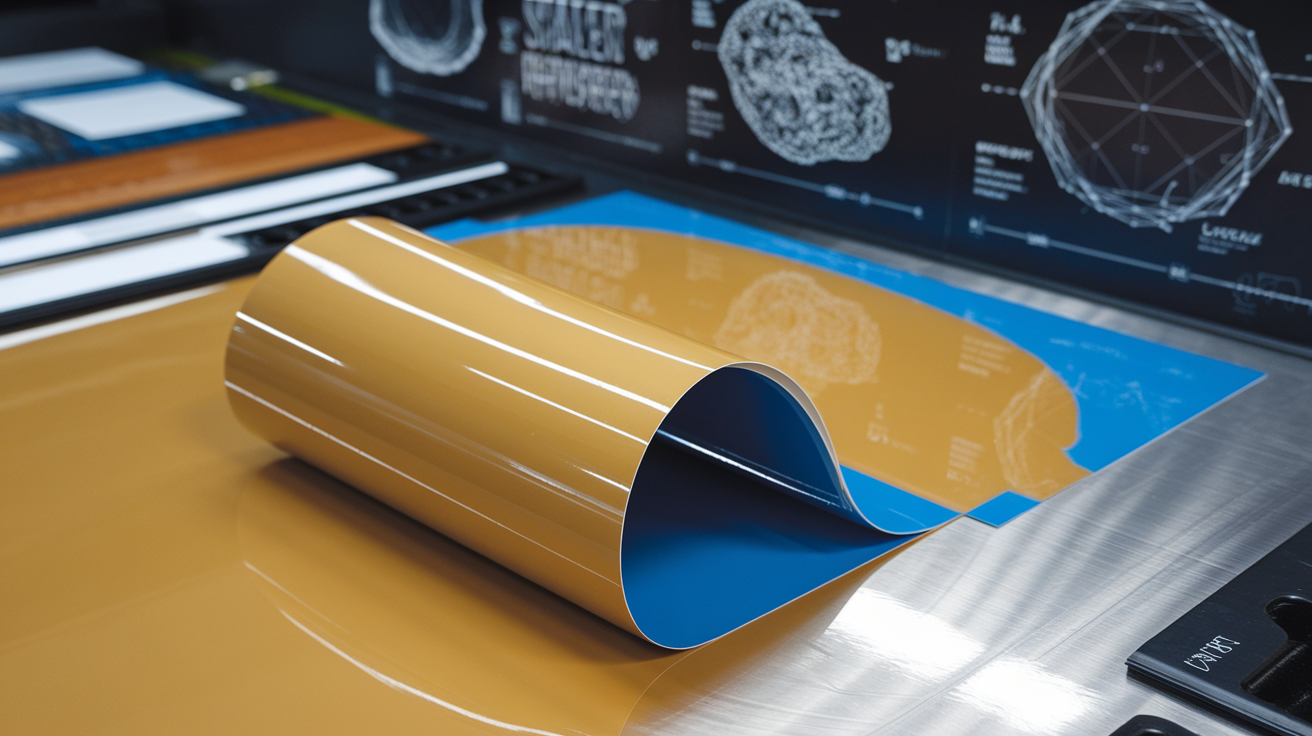
Ever peeled off a sticker from its backing and wondered why it came off so easily? That’s release coating paper at work. It’s a specialty paper treated with a substance (usually silicone) that prevents things from sticking permanently to its surface.
Think of it as the ultimate non-stick surface for the paper world. The coating creates a slick barrier that allows adhesives to make contact but not form a permanent bond. The magic happens because release coatings have low surface energy, meaning other materials struggle to grab hold of them.
Unlike regular paper that would tear or degrade when you try to remove something sticky, release coating paper maintains its integrity while letting the adhesive material separate cleanly.
Common Applications in Everyday Life
Release coating paper is everywhere, even if you don’t notice it:
-
The backing on bandages and medical dressings
-
Stickers and labels (that paper you peel off and toss)
-
Baking paper for your cookies and pastries
-
Temporary tattoo carriers
-
Envelope seals that open without tearing
-
Tape backings
Ever noticed how gift wrap doesn’t stick to the presents until you add tape? Many gift wraps have a slight release coating to make them easier to handle.
Key Benefits for Various Industries
Release coating paper isn’t just convenient—it’s transformative for many industries:
-
Food Industry: Prevents dough and batter from sticking, eliminates the need for greasing pans
-
Medical Field: Creates sterile, non-contaminating surfaces for bandages and dressings
-
Manufacturing: Enables precise application of adhesives without waste
-
Shipping/Logistics: Makes labels and stickers peel-and-apply ready
-
Arts & Crafts: Allows for clean transfers of materials without damage
The biggest benefit? Time savings. Without release coating paper, many products would require messy separating agents or would damage the very items they’re meant to protect.
Different Types of Release Coatings
Not all release coatings are created equal:
Silicone-Based Coatings
The most common type, offering excellent release properties and heat resistance. Perfect for baking papers and industrial applications where heat is involved.
Wax-Based Coatings
More economical but less durable. Great for single-use applications like candy wrappers.
Chromium-Based Coatings
Used in specialized industrial settings where chemical resistance is crucial.
Water-Based Coatings
The eco-friendly option, containing fewer VOCs (volatile organic compounds). Growing in popularity as sustainability becomes more important.
The release level can also be customized—from “easy release” (peels off with minimal effort) to “tight release” (requires more force, providing security during transport or storage).
The Science Behind Release Coatings
A. Base Materials and Substrates
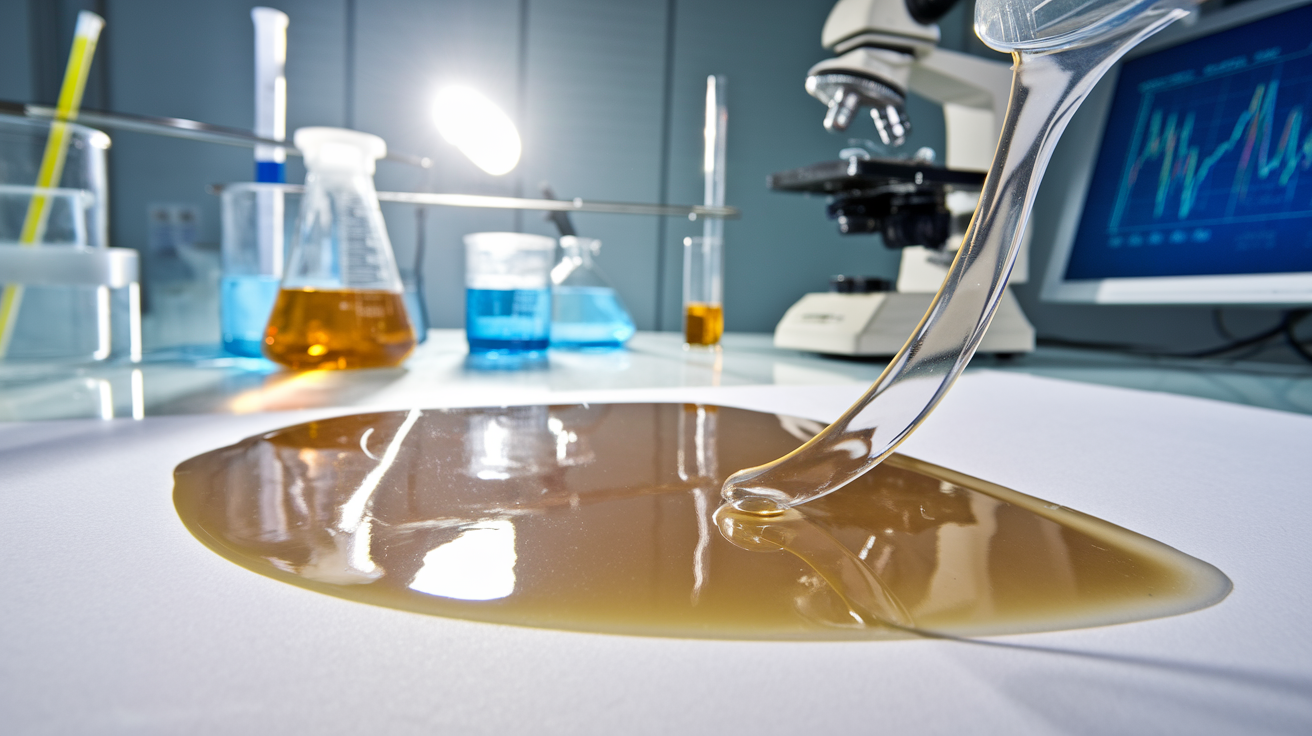
Ever wondered what’s underneath that slick release coating? It all starts with the substrate – the foundation of any good release paper. Most commonly, you’ll find these coatings applied to paper, polyester films, or polyethylene-coated kraft papers.
Paper substrates are cost-effective but can absorb moisture and tear easily. Film substrates like PET offer superior strength and temperature resistance but come at a higher price point. The choice depends entirely on your application – labels need different properties than baking paper.
The substrate’s surface energy is crucial – it determines how well the coating will adhere. Too low, and your coating won’t stick properly. Too high, and you might not get the release properties you need.
B. How Release Coatings Work
Release coatings aren’t magic, though they sometimes seem like it. They work on a simple principle: create a surface with extremely low surface energy.
Think about how water beads up on a freshly waxed car. That’s similar to how adhesives interact with release coatings – they make minimal contact points, allowing for easy separation.
The coating creates a microscopic barrier that:
-
Prevents chemical bonding with adhesives
-
Minimizes surface area contact
-
Creates a smooth, non-reactive interface
When you peel a sticker, you’re overcoming these minimal forces between the adhesive and the release coating.
C. Silicone vs. Non-Silicone Coatings
Here’s where things get interesting. Silicone dominates the release coating world, and for good reason:
| Silicone Coatings | Non-Silicone Coatings |
|---|---|
| Exceptional release properties | Lower cost |
| Wide temperature resistance (-40°C to 200°C) | Better recyclability |
| Excellent chemical stability | Food-safe options |
| Highly customizable release force | Less stable across conditions |
Silicone coatings use polydimethylsiloxane (PDMS) polymers that create an incredibly low-energy surface. Non-silicone alternatives typically use waxes, chromium complexes, or specialized polymers.
The silicone vs. non-silicone debate often comes down to application requirements and budget. Heavy-duty industrial applications usually demand silicone’s reliability, while some food applications prefer non-silicone options.
D. Release Force Measurement
Getting the release force right is critical. Too strong, and users struggle to remove labels. Too weak, and labels fall off during transport.
Release force is measured in cN/inch (centinewtons per inch) using specialized equipment that pulls the adhesive away at controlled angles and speeds. The industry standard is typically a 180° peel test at 300 mm/minute.
Several factors affect release force:
-
Coating chemistry and cure
-
Coating weight
-
Surface smoothness
-
Aging conditions
-
Testing temperature
Manufacturers can fine-tune release properties by adjusting the crosslinking density or adding release modifiers to the coating formulation.
E. Environmental Considerations
The environmental impact of release coatings deserves attention. Traditional silicone coatings present recycling challenges since they can contaminate paper recycling streams and interfere with adhesives in the recycling process.
Newer developments include:
-
Water-based silicone systems with lower VOC emissions
-
Biodegradable non-silicone alternatives
-
UV-curable systems that reduce energy consumption
-
Solventless coating technologies
Some manufacturers now offer recyclable release liners specifically designed to break down during the repulping process.
Smart coating choices can significantly reduce your environmental footprint while maintaining performance. The industry continues moving toward greener options as sustainability becomes a priority for both manufacturers and consumers.
Selecting the Right Release Paper for Your Needs
Assessing Your Application Requirements
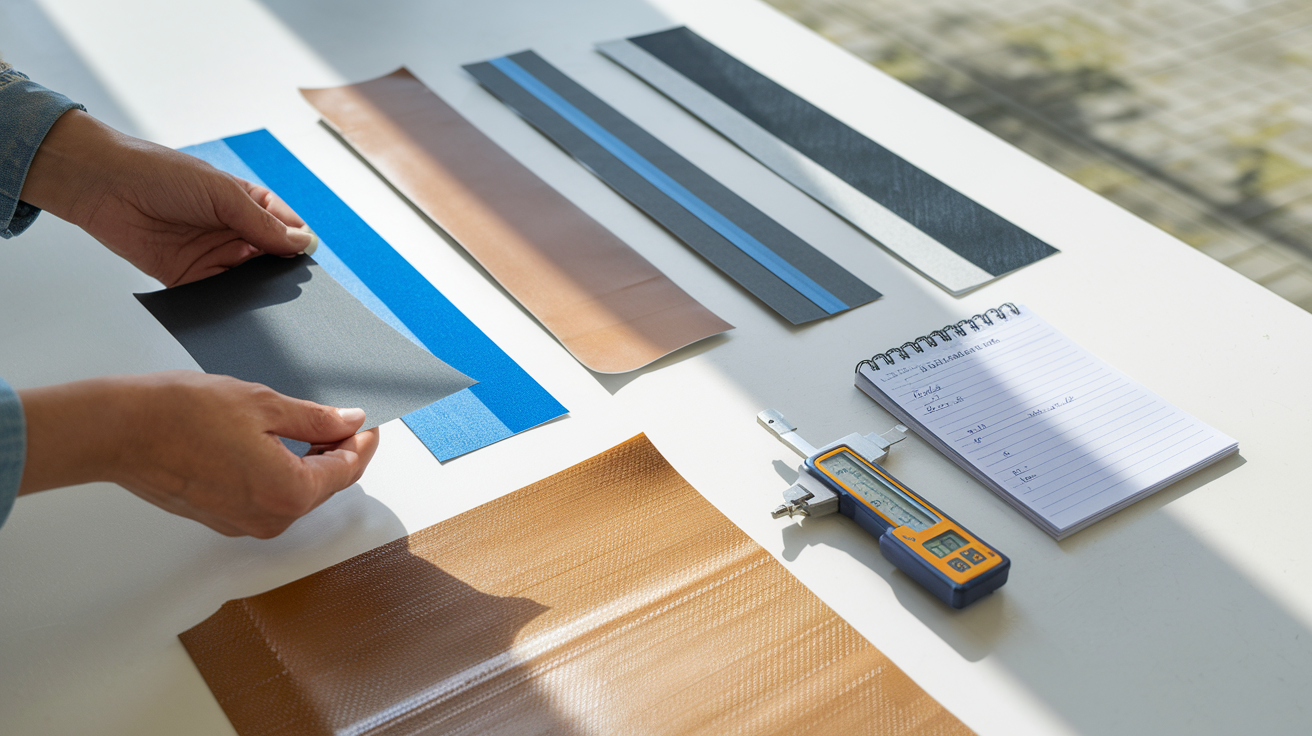
Picking the right release paper starts with knowing exactly what you’re using it for. Are you making labels? Working with adhesives? Creating decorative transfers?
The application dictates everything. For high-temperature applications like heat transfers, you’ll need thermally stable release papers that won’t break down. For water-based adhesives, you’ll want papers with consistent release properties in humid conditions.
Think about:
-
Surface texture needs (glossy vs. matte finish)
-
Required durability (single-use vs. multiple releases)
-
Processing conditions (heat, pressure, moisture exposure)
-
End-product quality standards
Understanding Release Levels
Release levels aren’t one-size-fits-all. They range from easy (light) to tight (strong) release.
Light release papers separate with minimal force – perfect for temporary applications or when working with delicate substrates. Medium release offers balanced performance for most general applications. Tight release provides strong adhesion between the coating and substrate – ideal when you need the release paper to stay put during processing.
The wrong release level can wreck your entire project. Too easy? Your adhesive might transfer prematurely. Too tight? You might damage your product during separation.
Compatibility with Adhesives
This is where many beginners mess up. Not all release papers work with all adhesives.
Silicone release papers work beautifully with pressure-sensitive adhesives but might not be ideal for water-based formulations. Clay-coated papers offer different release characteristics than polyethylene-coated options.
Test compatibility before full-scale production. Apply a small amount of your adhesive to different release papers and evaluate:
-
Release consistency
-
Adhesive transfer quality
-
Any contamination or interaction
Cost vs. Performance Analysis
The cheapest option rarely delivers the best value. Balance your budget against these considerations:
| Factor | Budget Impact | Performance Impact |
|---|---|---|
| Coating quality | Higher cost | Better release consistency |
| Base paper weight | Varies | Affects durability and handling |
| Silicone content | Higher cost | Improved release properties |
| Specialty treatments | Higher cost | Application-specific benefits |
For high-volume production, premium papers often prove more economical in the long run by reducing waste and rework. For small, non-critical projects, standard options might suffice.
DIY Release Coating Applications

Essential Tools and Materials
Ever tried to bake cookies on a pan without greasing it first? That’s what skipping release coating feels like. To get started with your DIY release coating project, you’ll need:
-
Silicone spray or liquid silicone coating
-
Clean microfiber cloths
-
Gloves (nitrile works best)
-
Respirator mask or well-ventilated area
-
Painter’s tape for edge protection
-
Sanding paper (fine grit)
-
Degreaser or isopropyl alcohol
-
Clean, dry workspace
-
Paper or substrate you’re coating
Don’t skimp on quality here. The difference between professional results and amateur hour often comes down to your materials.
Step-by-Step Application Process
-
Prep your workspace
Clean everything. I mean everything. Dust particles are your enemy. -
Prepare your substrate
Wipe down your paper with isopropyl alcohol to remove oils and contaminants. -
Mask off areas
Use painter’s tape to protect areas you don’t want coated. -
Test your coating
Always test on a small sample first. Trust me on this one. -
Apply the coating
For spray: Use light, even passes about 8-10 inches from the surface.
For liquid: Apply with a foam brush in thin, even strokes. -
Let it cure
This is where patience pays off. Follow manufacturer recommendations, but typically allow 24 hours. -
Test the release
Press a sticky substance against it and check if it releases cleanly.
Common Mistakes to Avoid
The road to perfect release coating is paved with facepalms:
-
Rushing the cure time: The coating might look dry, but isn’t fully cured.
-
Uneven application: Blotchy results happen when you hurry.
-
Ignoring temperature guidelines: Most coatings perform best at 65-75°F.
-
Too thick application: More isn’t better. Thin, even coats win every time.
-
Skipping surface preparation: Oils from your hands can cause coating failure.
Troubleshooting Tips
When things go sideways (and they sometimes will):
-
Tacky surface after curing? Your coating was likely too thick or the humidity too high. Sand lightly and reapply a thinner coat.
-
Uneven release properties? Check for inconsistent application. Strip it back and start over with more attention to even coverage.
-
Coating peeling off? Your surface prep wasn’t thorough enough. Clean completely and try again.
-
Bubbles in the coating? You applied it too quickly. Next time, use slower, more deliberate strokes.
Remember that your first attempt probably won’t be perfect. But with practice, you’ll get results that rival commercial products.
Industry-Specific Applications
A. Label and Sticker Production
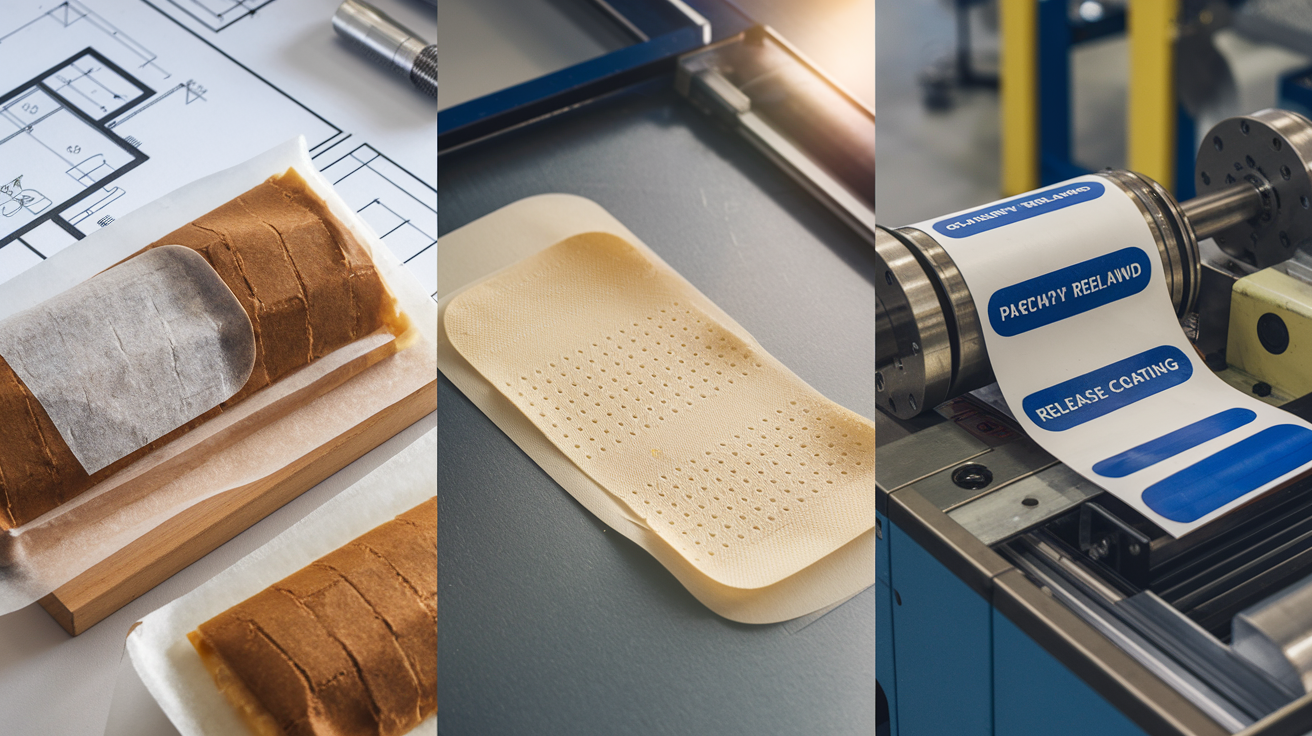
Ever peeled a sticker off its backing? That backing is release coating paper at work. Label manufacturers depend on this material because it creates that perfect “release” moment when you need it.
Most product labels use silicone-coated release papers with varying release forces. Light release works great for automatic label dispensing machines, while tight release prevents premature separation during shipping and handling.
What makes it so effective? The silicone coating creates a surface that adhesives can stick to temporarily without permanently bonding. This balance is crucial – too sticky and labels won’t come off cleanly; too slippery and they’ll fall off during production.
The label industry typically uses:
-
Glassine release papers (smooth, transparent)
-
Clay-coated kraft papers (stronger, more durable)
-
Polycoated papers (moisture-resistant)
B. Medical and Healthcare Uses
Release coating paper isn’t just for stickers – it’s literally saving lives in hospitals daily.
In medical settings, you’ll find it used for:
-
Wound dressings that don’t stick to healing tissue
-
Transdermal patches that deliver medication through skin
-
Surgical drapes that maintain sterility
-
Medical tape backing that peels easily without disrupting sensitive skin
The medical-grade versions undergo rigorous testing for biocompatibility and sterilization resistance. The release coatings must perform consistently even after radiation or ethylene oxide sterilization.
C. Construction and Building Materials
The construction industry has embraced release coating paper in surprising ways.
Roofers use release paper-backed asphalt shingles that prevent sticking during storage. Flooring installers rely on it when working with self-adhesive tiles. Even concrete formwork benefits from release paper that prevents sticking.
The most impressive application? Waterproofing membranes. These crucial barriers protect foundations and roofs, and they depend on release papers during installation that peel away to reveal sticky surfaces that bond permanently to structures.
D. Food Packaging Solutions
That non-stick baking paper in your kitchen drawer? Classic release coating paper.
Food-grade release papers use specialized coatings that are:
-
Non-toxic and FDA-approved
-
Heat-resistant (often up to 450°F)
-
Grease-resistant
-
Moisture-resistant
Beyond baking, you’ll find it in:
-
Candy and chocolate mold linings
-
Meat patty separators
-
Fast food sandwich wraps
-
Frozen food packaging
The key difference here is food safety. These coatings must withstand cooking temperatures without transferring chemicals to food.
E. Arts and Crafts Projects
DIY enthusiasts and crafters have discovered countless creative uses for release papers.
In crafting, it’s indispensable for:
-
Heat transfer vinyl application
-
Resin casting molds
-
Clay work surfaces
-
Adhesive stencil backing
Many crafters even recycle used release liners from commercial stickers. The smooth silicone surface makes an excellent work mat for messy projects, and nothing sticks to it – not glue, not paint, not epoxy.
For beginners, parchment paper from the grocery store offers similar release properties at a fraction of the cost of specialty craft papers. It’s perfect for small projects before investing in professional-grade materials.
Maintenance and Storage Best Practices
Extending the Shelf Life of Release Papers
Ever grabbed a release paper that’s been sitting around too long only to find it’s lost its effectiveness? Frustrating, right?
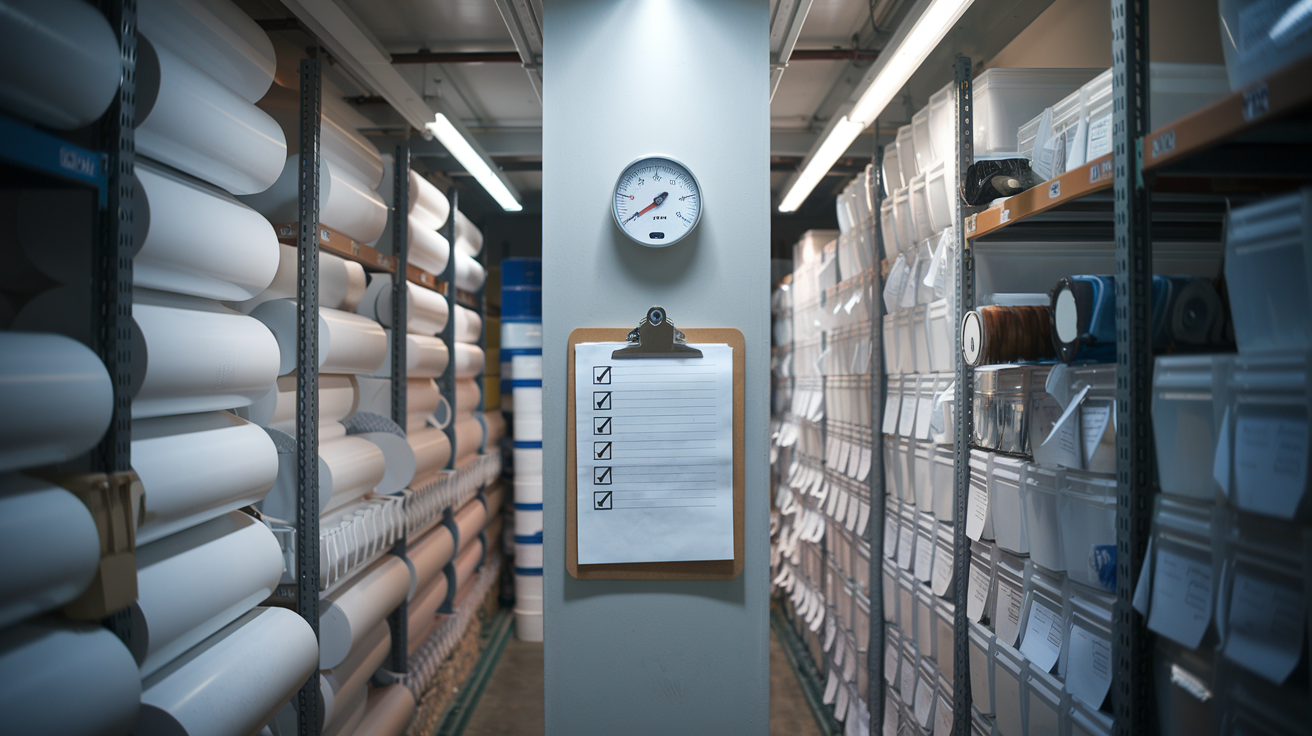
Release coating paper isn’t immortal, but with proper care, you can maximize its lifespan significantly. The secret lies in minimizing exposure to three enemies: heat, humidity, and contaminants.
For silicone-based release papers, keep them away from direct sunlight which can degrade the silicone coating over time. A simple solution? Store them in their original packaging or in opaque containers.
Rotation matters too. Use the “first in, first out” approach—older stock gets used before newer materials. This prevents papers from sitting unused beyond their prime.
Don’t forget to check manufacturer expiration dates. Most release papers maintain optimal properties for 6-12 months under ideal conditions, but this varies by type.
Proper Handling Techniques
Fingerprints might seem harmless, but they’re actually release paper’s silent killer. The oils from your hands can transfer to the release coating, compromising its non-stick properties.
Some practical handling tips:
-
Always wash and dry hands before touching release papers
-
Consider using clean cotton gloves for frequent handling
-
Hold papers by the edges whenever possible
-
Never fold or crease release papers (this damages the coating)
-
Avoid touching the coated surface unless absolutely necessary
When cutting release paper, use sharp, clean tools to prevent jagged edges that can initiate tearing.
Storage Environment Requirements
The perfect home for your release paper isn’t complicated, but it is specific.
Temperature and humidity control are non-negotiable. Aim for:
| Factor | Ideal Range | Avoid |
|---|---|---|
| Temperature | 65-75°F (18-24°C) | Fluctuations exceeding 10°F |
| Humidity | 40-60% | High humidity environments |
| Light | Minimal exposure | Direct sunlight, UV light |
Store rolls horizontally rather than standing them on end, which can cause edge damage or flattening. If you must store vertically, rotate positions periodically.
For sheets, lay them flat in protective sleeves or containers rather than stacking them loosely, which invites contamination and edge damage.
Keep release papers away from solvents, chemicals, and areas with high dust content—all enemies of coating integrity.
Future Trends in Release Coating Technology

Sustainable and Eco-Friendly Options
The release coating industry is going green – and fast. Gone are the days when silicone-based coatings were your only option. Today’s eco-conscious manufacturers are developing biodegradable alternatives made from plant-based materials that break down naturally after use.
Solventless coating systems have taken center stage, dramatically reducing VOC emissions during production. Some innovative companies have even created water-based release coatings that perform just as well as traditional options but with a fraction of the environmental impact.
Recycled paper substrates paired with eco-friendly coatings are becoming the gold standard for brands that want to showcase their sustainability commitments. The market is responding – consumers are willing to pay more for products with environmentally responsible packaging.
Smart Release Coatings
Ever thought release coatings could be “smart”? The future is here. Temperature-responsive release coatings can change their release properties based on environmental conditions. Need a strong hold during shipping but easy release for the end-user? Smart coatings have got you covered.
Some cutting-edge developments include:
-
UV-activated release mechanisms
-
Pressure-sensitive gradual release
-
Time-controlled degradation coatings
These intelligent systems are revolutionizing industries from pharmaceuticals to aerospace.
Customization and Specialized Applications
The one-size-fits-all approach is officially dead. Today’s manufacturers are developing release coatings tailored to specific applications with unprecedented precision.
Medical-grade release liners now incorporate antimicrobial properties, making them ideal for wound dressings and transdermal patches. Food packaging benefits from coatings that maintain their integrity across extreme temperature ranges.
The electronics industry demands ultra-clean release surfaces with anti-static properties – and they’re getting exactly that with new specialized formulations.
Industry Innovations to Watch
The release coating landscape is changing faster than ever. Keep your eyes on these game-changers:
-
Nano-structured coatings that provide microscopic control over release forces
-
3D-printable release coatings for complex geometries
-
Self-healing release surfaces that extend product lifespan
-
Digital coating technologies allowing for pattern-wise application
-
AI-optimized formulations that maximize performance while minimizing material use
These technologies aren’t just theoretical – they’re being implemented right now, pushing the boundaries of what’s possible in industries from construction to consumer goods.

Release coating paper is a versatile material that offers numerous solutions across multiple industries and DIY applications. From understanding its fundamental properties to selecting the right type for your specific needs, this guide has walked you through the essentials of working with release papers. The science behind these coatings, along with proper maintenance and storage practices, ensures you’ll get optimal performance from your materials.
As technology advances, we can expect to see more environmentally friendly options and innovative applications for release coating paper. Whether you’re a hobbyist starting your first project or an industry professional looking to optimize your processes, the knowledge gained here provides a solid foundation. Start experimenting with release coating paper today and discover how this remarkable material can enhance your projects and processes.
about
Geezion factory
Release coating, Industrial Chemical, Industial Coating, Printing Inks
