

what is release coating agent

What Is Release Coating Agent?
Ever struggled with products sticking stubbornly to molds or surfaces? Behind every smoothly demolded composite product or perfectly released baked good lies an unsung hero: release coating agents. These specialized compounds are the invisible force that prevents adhesion, ensures clean separation, and preserves both your final product and equipment. With silicone-based release agents leading the industry due to their exceptional heat resistance and non-toxic properties, these formulations have revolutionized manufacturing processes across countless sectors.
In this comprehensive guide, we’ll explore the world of release coating agents—from understanding their fundamental composition to examining the various types of coating systems available today. You’ll discover why silicon-oxygen bonds create superior performance, what properties define a quality release agent, and how these specialized materials are transforming industrial applications from food production to composite manufacturing. Whether you’re troubleshooting production challenges or seeking to optimize your manufacturing process, understanding release coating technology is your next step toward improved efficiency and product quality.
Understanding Release Coating Agents
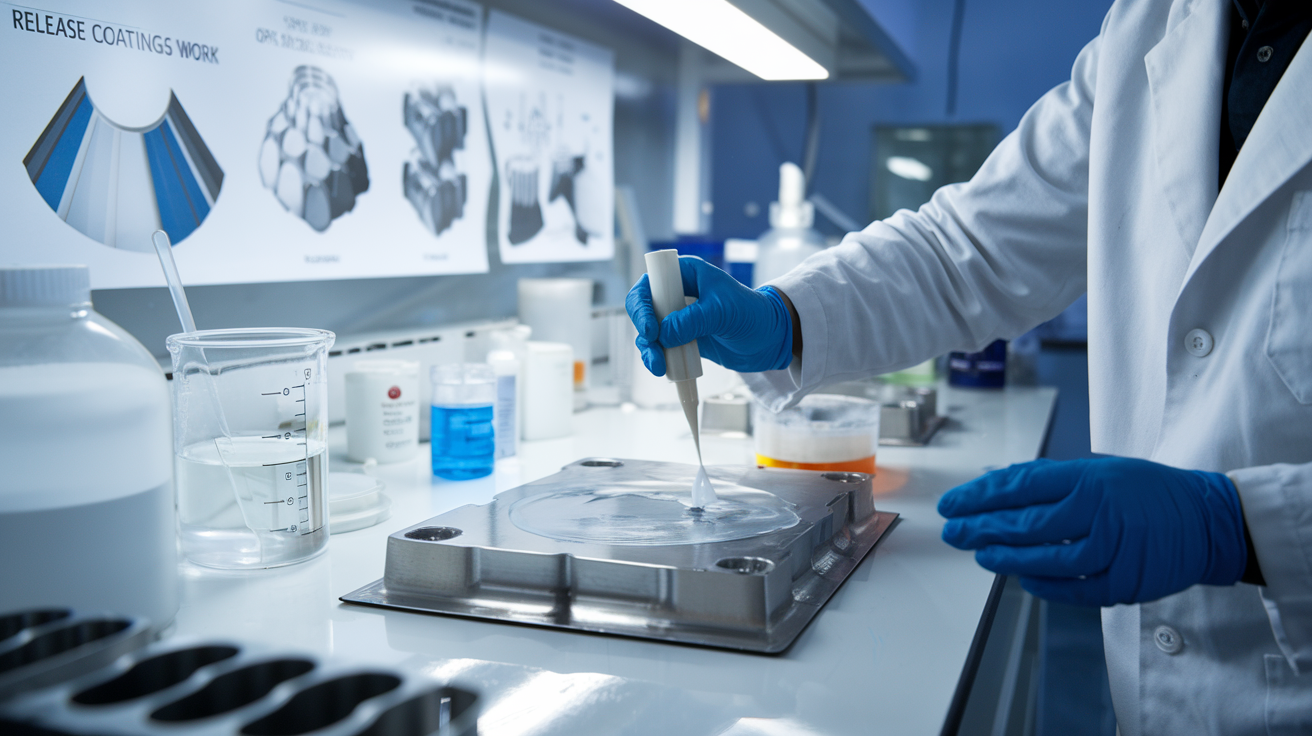
Understanding Release Coating Agents
Definition and Primary Function
Release coating agents are specialized substances designed to prevent adhesion between surfaces during manufacturing processes. They create a non-stick barrier that facilitates the separation of components, particularly when removing finished products from molds or dies. These agents play a critical role in various industrial applications by forming an interface layer that minimizes friction and prevents sticking, allowing for clean and efficient release of products.
Role in Preventing Adhesion to Molds
In manufacturing environments, release coating agents are essential for preventing the unwanted adhesion of materials to molds, tools, and equipment. They act as sacrificial barriers between surfaces that would otherwise bond together during production processes. By applying these agents to mold surfaces:
-
Production efficiency increases as parts release more easily
-
Downtime is reduced due to quicker extraction of finished products
-
Wear and friction on machinery and molds are significantly decreased
-
Multiple releases can often be achieved with a single application
Different types of release agents serve specific needs based on the manufacturing process, including cosolvent-based, semi-permanent, sacrificial, water-based, and solvent-based formulations. Each type offers distinct advantages depending on the substrate materials and production requirements.
Importance for Product Surface Integrity
Beyond simply facilitating release, these agents contribute significantly to the final quality of manufactured items. A high-quality release coating agent ensures:
-
Minimal surface defects on the finished product
-
Preservation of intricate design details from molds
-
Reduced risk of damage during the extraction process
-
Consistent surface finish across production batches
Release coating agents also provide additional benefits such as corrosion resistance and water repellency, which help maintain both the mold integrity and the quality of the finished products over time. The careful selection of appropriate release agents based on substrate characteristics, application environment, and end-use criteria is crucial for optimal performance.
With this understanding of what release coating agents are and their fundamental importance in manufacturing, let’s explore one of the most widely used categories: Silicone-Based Release Agents. These versatile materials offer distinctive properties that make them particularly valuable across multiple industries.
Silicone-Based Release Agents
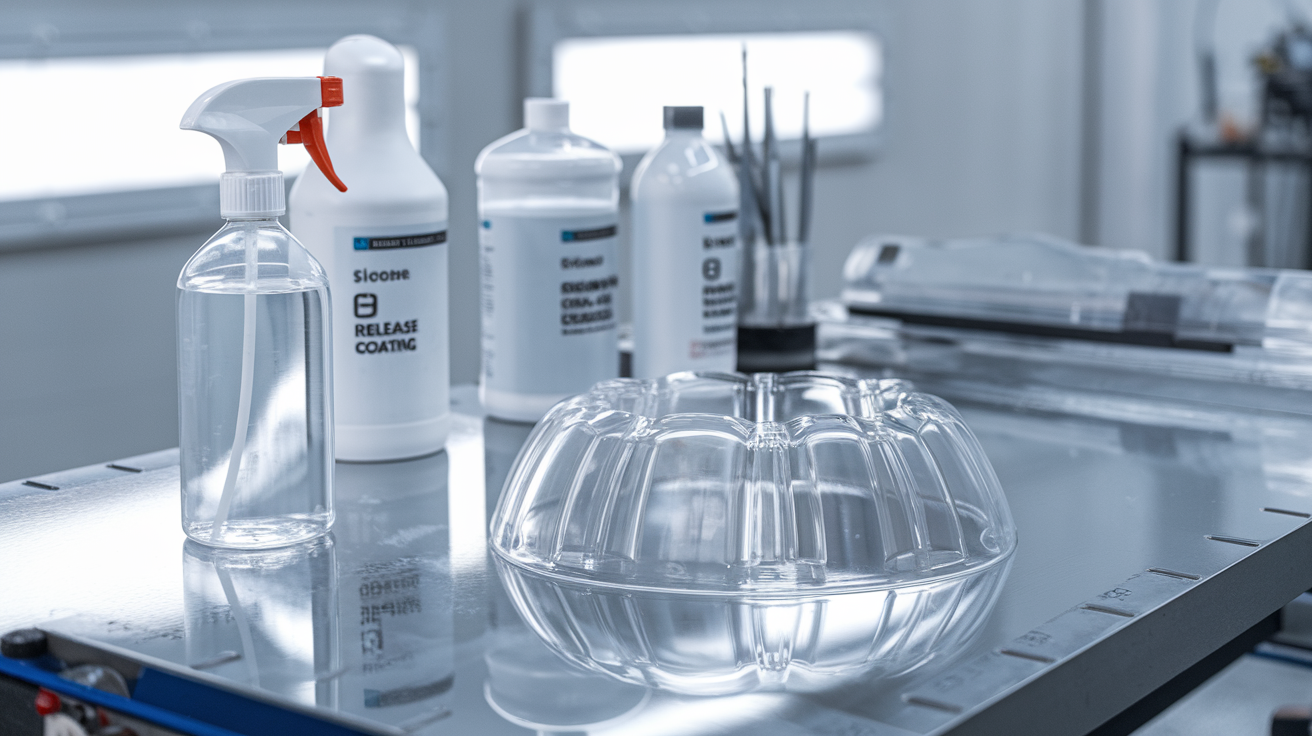
A. Composition and silicon-oxygen bonds
Silicone-based release agents stand out in the world of release coatings thanks to their unique chemical structure. At their core, these agents contain silicon-oxygen bonds (Si-O) that form the backbone of polydimethylsiloxane (PDMS) molecules – the star players in silicone chemistry.
Unlike carbon-based compounds, these silicon-oxygen bonds are longer and more flexible. This gives silicone release agents their remarkable properties. The Si-O bonds are about 40% stronger than carbon-carbon bonds, making them incredibly stable under tough conditions.
The methyl groups attached to the silicon atoms point outward, creating that slick, non-stick surface we all love. Think of it as thousands of tiny umbrellas that repel just about anything trying to stick to them.
B. Superior heat resistance and stability
Ever wonder why silicone release agents are the go-to choice for high-temperature applications? The answer lies in those silicon-oxygen bonds again.
These bonds can withstand temperatures up to 600°F (315°C) without breaking down. Try that with your average organic release agent and you’ll just get a charred mess.
What’s more impressive is their thermal stability range. Silicone release agents work beautifully from -100°F all the way up to those scorching high temps. This makes them perfect for everything from freezer applications to hot molding processes.
They also resist oxidation when exposed to air at high temperatures, maintaining their release properties long after other agents would have degraded.
C. Low surface energy benefits for demolding
The magic of silicone release agents really shines when we talk about surface energy. With values typically between 20-24 dynes/cm, silicones have some of the lowest surface energies of any material.
This super-low surface energy means almost nothing wants to stick to silicone-treated surfaces. The practical benefit? Incredibly clean, easy part removal with minimal force required during demolding.
This low-stick property translates to:
-
Fewer rejected parts due to sticking
-
Less damage to delicate molded components
-
Longer mold life with reduced wear and tear
-
Faster production cycles with quicker release times
For manufacturers, this means higher quality products, less downtime, and significant cost savings in the long run.
Key Properties of Quality Release Agents
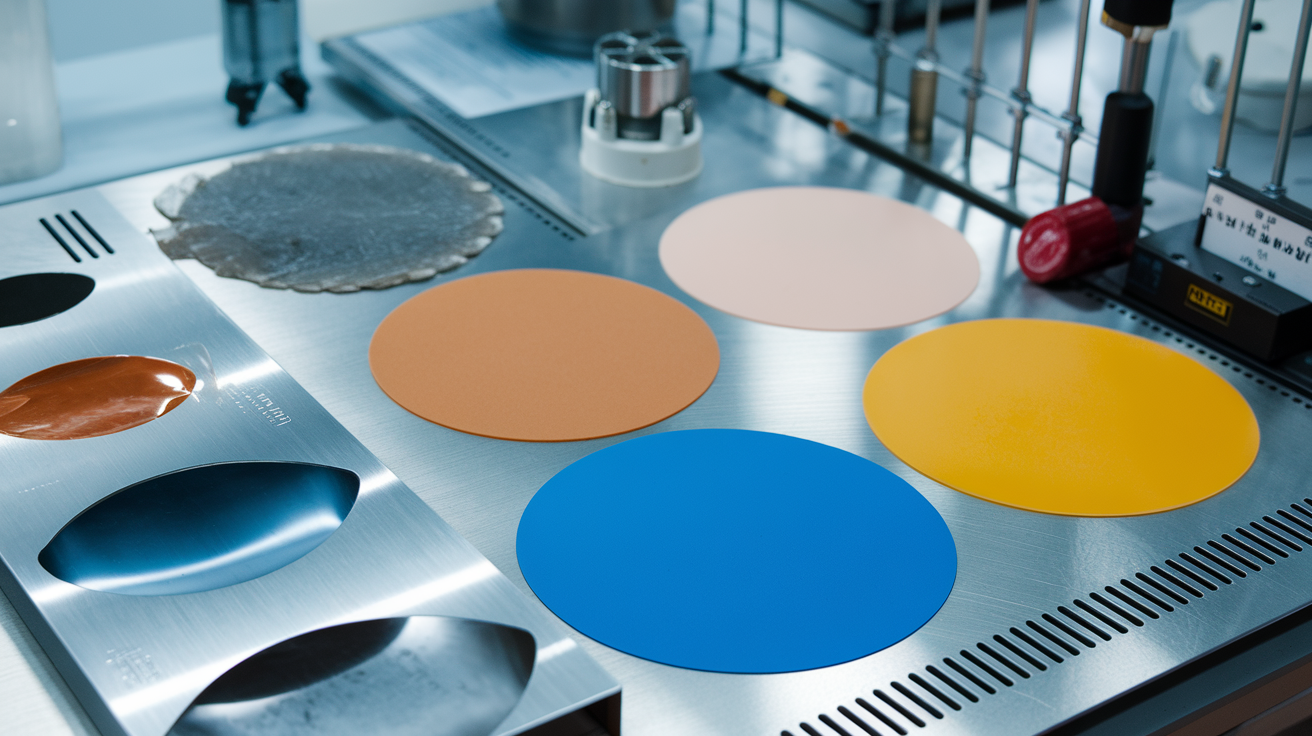
Key Properties of Quality Release Agents
Now that we have covered silicone-based release agents, it’s important to understand what makes a quality release agent effective. The key properties below are essential for ensuring optimal performance in manufacturing processes.
Heat Resistance Without Thermal Decomposition
Quality release agents must maintain their integrity even when exposed to extreme temperatures. In manufacturing environments where high heat is common, such as metal casting or food processing, release agents need to withstand these conditions without breaking down. This thermal stability ensures consistent performance throughout the production cycle, preventing unwanted adhesion that could compromise product quality. Release agents that maintain their chemical structure under heat stress provide reliable performance batch after batch.
Non-toxic and Safe Under High Temperatures
Safety is paramount in manufacturing, especially in industries like food processing and pharmaceuticals. Premium release agents remain non-toxic even when subjected to high temperatures, ensuring no harmful substances leach into the final product. This property is critical not only for consumer safety but also for worker protection during the manufacturing process. Quality release agents meet stringent safety standards while still delivering effective separation properties, allowing manufacturers to maintain compliance with health regulations without sacrificing performance.
Efficiency in Product Separation
The primary function of any release agent is to facilitate clean and easy separation between products and molds or equipment surfaces. High-quality agents create an optimal barrier that minimizes damage during the release process, preserving the integrity of both the product and the mold. Efficient separation properties reduce downtime between production cycles, as products release quickly and completely. This efficiency translates to higher productivity, less waste, and improved product quality. The best release agents provide this separation while also offering additional benefits such as corrosion resistance and water-repellency.
With these key properties in mind, next, we’ll explore the various industrial applications where quality release agents prove indispensable, demonstrating their versatility across manufacturing sectors.
Industrial Applications

A. Bakery and food production solutions
Baking pans and molds coated with release agents are absolute game-changers in commercial bakeries. Without these coatings, your beautiful cakes and bread loaves would stick and tear apart during removal.
Food-grade silicone release agents dominate this space because they’re heat-resistant up to 500°F and completely non-toxic. Bakeries use them on everything from bread pans to cookie sheets and intricate molds for specialty desserts.
The right release coating means:
-
Less product waste
-
Cleaner releases with intact product appearance
-
Reduced cleaning time between batches
-
Extended equipment life
Many industrial bakeries have switched to water-based release formulations that spray on evenly and don’t affect taste. These coatings create invisible barriers between dough and metal surfaces that work batch after batch.
B. Paper manufacturing integration
Release coatings are the unsung heroes of the paper industry. They’re what make pressure-sensitive labels actually peel off their backing sheets.
In paper mills, silicone and fluoropolymer release agents are applied to create release liners used in:
-
Adhesive tapes
-
Shipping labels
-
Postage stamps
-
Product labels
The coating process typically involves applying a thin layer of PDMS (polydimethylsiloxane) to one side of the paper using precision rollers. This creates that smooth, non-stick surface that releases perfectly when needed, but stays put during shipping and storage.
C. Graphic arts, hygiene, and medical uses
In graphic arts, release coatings prevent ink transfer where it’s not wanted. Screen printers rely on these agents to maintain clean, crisp designs without smudging or ghosting.
The hygiene and medical industries have truly unique applications:
-
Wound dressings that don’t stick to healing tissue
-
Diaper components that stay comfortable against skin
-
Surgical gloves that slip on easily
-
Medical tapes that remove without skin damage
Medical-grade release coatings must meet stringent requirements for biocompatibility and sterilization resistance. Manufacturers use specialized silicone and fluorocarbon formulations that maintain their properties even after gamma radiation or ethylene oxide sterilization.
These coatings often incorporate antimicrobial properties too, making them valuable in preventing infections in hospital settings.
Types of Release Coating Systems

Solventless formulations
Ever wondered why your cakes slide effortlessly out of the pan? That’s solventless release coating at work. These formulations contain 100% active ingredients with no volatile compounds to evaporate. They’re the heavyweight champions of the release coating world.
Solventless systems typically use silicone polymers like polydimethylsiloxane (PDMS) that cure through heat or radiation. They create an extremely durable non-stick surface that can withstand multiple releases before reapplication is needed.
The best part? No VOCs (volatile organic compounds) means they’re environmentally friendly and safer for workers. Plus, they cure almost instantly, boosting production efficiency. Sure, they cost more upfront, but their durability makes them cost-effective in the long run.
Solvent-based options
Solvent-based release agents are the old reliable of the industry. They contain active ingredients dissolved in a carrier solvent that evaporates after application, leaving behind the release coating.
These systems offer excellent coverage and flow properties, making them ideal for complex mold geometries. They’re particularly useful in high-temperature applications like rubber molding and composites manufacturing.
The downside? Those solvents aren’t exactly environmental superstars. They release VOCs during application and curing, requiring proper ventilation and sometimes specialized disposal methods. Regulations around these formulations have tightened significantly in recent years.
Emulsion systems and their benefits
Water-based emulsions are the rising stars in the release coating world. They combine oil-based release agents with water using emulsifiers to create stable suspensions.
The magic of emulsion systems is their versatility. They offer easy application, quick drying times, and minimal environmental impact. Food processing facilities love them because they’re often food-safe while still providing excellent release properties.
Cleanup is a breeze—just use water instead of harsh solvents. They’re also generally less expensive than solventless systems while offering better environmental credentials than solvent-based options.
Many manufacturers are switching to emulsions to meet stricter environmental regulations without sacrificing performance. The water carrier also allows for precise dilution, giving users control over coating thickness and coverage.
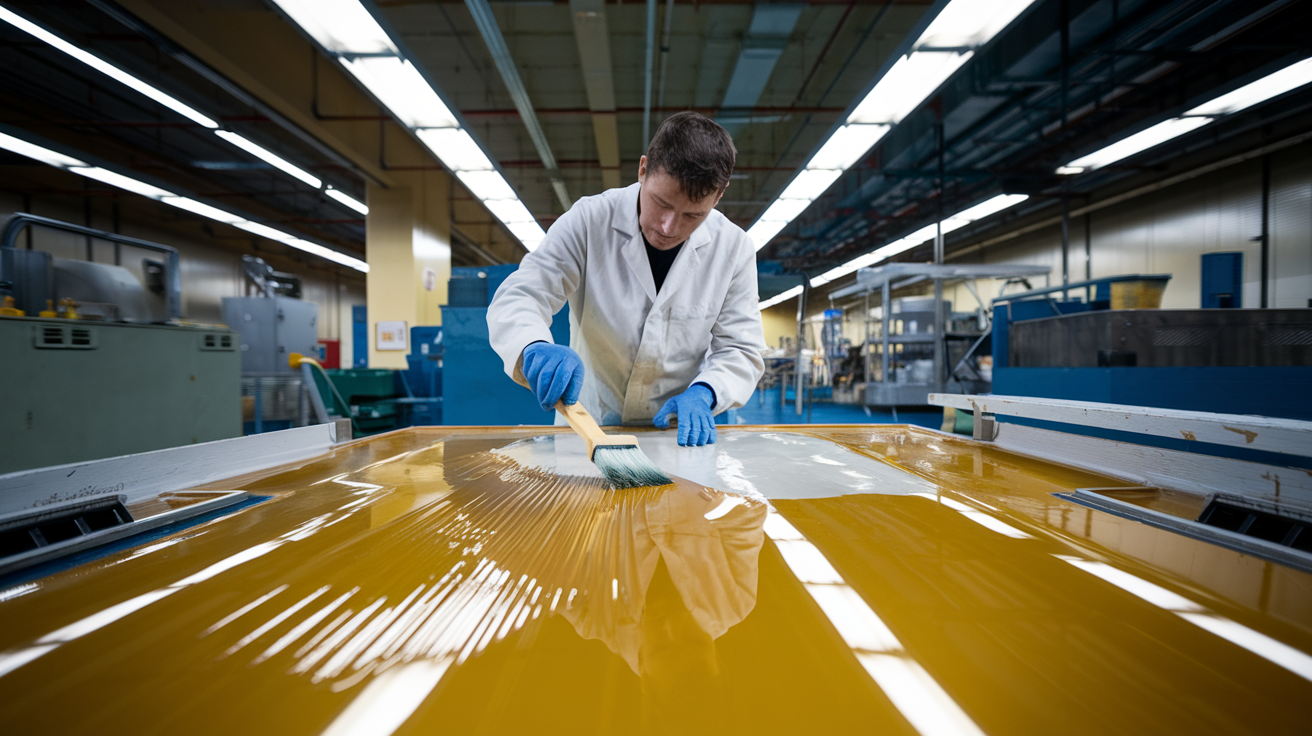
Release coating agents play a vital role in modern manufacturing processes, serving as the critical interface between molds and finished products. As we’ve explored, silicone-based release agents stand out for their exceptional heat resistance, stability, and low surface energy properties that minimize the force required during demolding. These specialized compounds maintain their integrity without decomposition even under extreme temperatures, while remaining safe and non-toxic.
The versatility of release coating systems—whether solventless, solvent-based, or emulsion—allows manufacturers to select the optimal solution for their specific applications across industries including food production, graphic arts, hygiene, and medical sectors. Companies like Daken Chemical have developed specialized formulations that enhance processing efficiency and sustainability while ensuring high-quality surface finishes. By selecting the appropriate release agent with the right properties for your application, you can significantly improve production efficiency, reduce waste, and maintain consistent product quality across your manufacturing operations.
about
Geezion factory
Release coating, Industrial Chemical, Industial Coating, Printing Inks
